Military Justice Debate: Why Human Rights Advocates Oppose Military Courts
The "Pryncyp" human rights center has analyzed initiatives to rebuild military justice in Ukraine, warning against the risks of placing judges under military command.
 👥Society
Photo: Ukrainska Pravda
Key points
- The "Pryncyp" center opposes the reinstatement of separate military courts.
- Granting military ranks to judges risks creating command-level interference.
- Civilian courts have developed solid expertise in military cases during the war.
- Experts recommend judicial specialization instead of building a new justice system.
The discussion on restoring the military justice system in Ukraine has returned to the spotlight amid the ongoing full-scale war. A Temporary Special Commission of the Verkhovna Rada is currently working on relevant legislative initiatives, with the participation of the "Pryncyp" human rights center for service members. Proponents of reinstating military courts argue that cases involving soldiers should be handled by individuals with military experience who understand the army's specific context.
Why the Military Vertical and Independent Courts Clash
However, lawyers from "Pryncyp" point out a fundamental contradiction: the judiciary relies on independence and impartiality, whereas military service is based on command hierarchy and strict subordination. If judges were to hold military ranks, the risk of interference by the Ministry of Defense or the General Staff would increase significantly. Military-judges would be subject to disciplinary statutes, compromising their neutrality.
"For a service member whose case is being reviewed, all of this means a risk that the command vertical will influence the decision rather than just the law and the facts of the case," experts emphasize.
Furthermore, previous legislative attempts to tighten penalties for military infractions in 2022 and 2025 focused solely on subordinates while neglecting accountability for commanders.
An Alternative Path: Specialization Over New Institutions
Human rights advocates argue that civilian courts have accumulated substantial expertise in handling military-related cases throughout the war. Where specialized knowledge is lacking, courts can engage independent experts.
Instead of creating a complex and difficult-to-implement separate military court system, experts advocate for introducing judge specialization in military administrative and disciplinary offenses, ensuring high-quality rulings without threatening judicial independence.
Source Ukrainska Pravda — pravda.com.ua/news/2026/11/20/8063800/ ↗
Read next
 🎭Culture & Sport
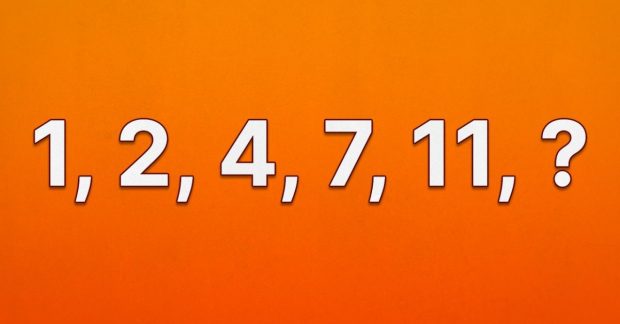
Popular logic puzzle: what number should continue the sequence 1, 2, 4, 7, 11
Polish media outlet eDziecko has shared a simple yet engaging mathematical puzzle focusing on pattern recognition.
 ⚽Sport
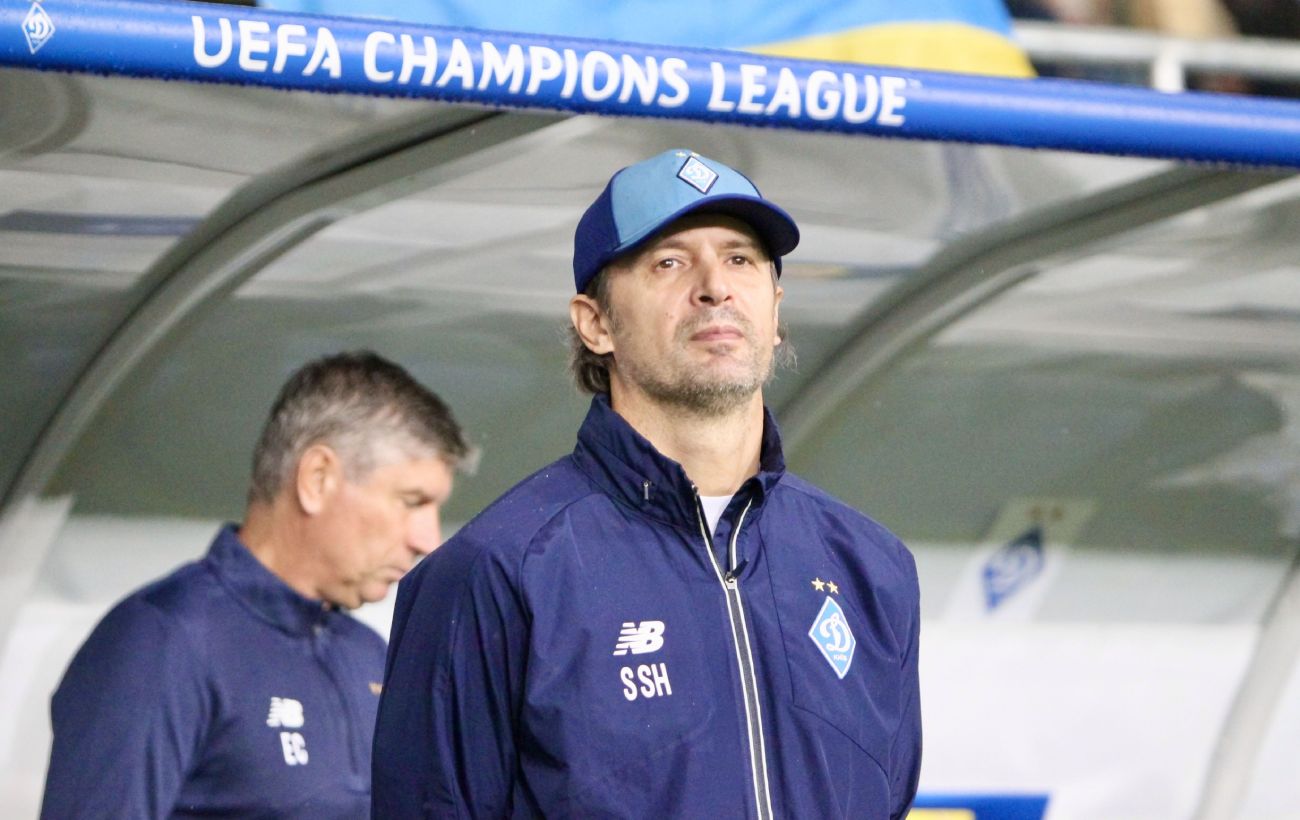
Oleksandr Shovkovskyi completes internship at Ajax to gain new European experience
The former head coach of Dynamo Kyiv, Oleksandr Shovkovskyi, spent a week at the training base of Dutch powerhouse Ajax, exploring the club's unique philosophy and manage…
 🛡️Security
Defense Forces Hit Novoshakhtinsky Oil Refinery in Rostov Region Causing Massive Fire
On the night of November 23, Ukrainian forces struck the Novoshakhtinsky oil refinery in Russia, triggering a powerful fire captured by satellites.
 💼Economy
Preparing Daewoo Lanos for the Winter Season: Tips for Drivers in Zolochiv Region
Essential recommendations for seasonal maintenance of Daewoo Lanos vehicles ahead of cold weather in the Zolochiv area.
 🩺Health
Atlantic Mackerel Surpasses Salmon in Omega-3 Content
Nutritionists highlight Atlantic mackerel as a cost-effective and highly nutritious alternative to salmon due to its high omega-3 levels.
 🏛️Politics
Zelenskyy Stresses NATO Membership is More Reliable and Cost-Effective Than Separate Security Guarantees
Addressing the NATO Parliamentary Assembly, Ukrainian President Volodymyr Zelenskyy stated that integrating Ukraine into the Alliance is the most effective and sustainabl…