Aquaterra: How underwater archaeological finds are reshaping human history
Researchers are exploring submerged lands that were once above water, uncovering traces of ancient settlements and artifacts.
 🎭Culture & Sport
Photo: UNIAN
Key points
- The Aquaterra concept covers 22.5 million sq. km of submerged land.
- Archaeologists are finding artifacts aged between 9,000 and 12,000 years.
- Sea level rise has swallowed part of human history.
- Coastal erosion threatens even 16th-century monuments.
Over the past 120,000 years, global climate changes and fluctuations in sea levels have significantly altered the world map. In 1999, geographer Jerome Dobson coined the term "Aquaterra" to describe vast coastal areas, totaling approximately 22.5 million square kilometers, that eventually became submerged.
Traces of civilizations on the seabed
During glacial periods, sea levels were much lower, providing access to fertile plains and forests. Scientists believe these areas were where humanity may have achieved significant technological breakthroughs. When the ice melted, the sea swallowed these lands along with their settlements, turning them into targets for archaeological exploration.
Today, researchers have confirmed several findings. For instance, organic remains dating back 9,000 years were discovered in the Gulf of Mexico, while remnants of Mayan structures were found off the coast of Belize. Archaeologists Michael Faught and Morgan Smith are using modern mapping techniques to locate signs of human activity where land once existed.
"All landmasses are defined by both time and space," Jerome Dobson noted.
The issue of losing historical heritage remains urgent today. Due to coastal erosion, even relatively recent sites are disappearing, such as the 16th-century colony on Roanoke Island in the USA. This highlights the need for rapid data recording before natural processes destroy the remnants of the past forever.
Source UNIAN — unian.ua/science/pid-vodu-pishla-susha-rozmirom-iz-pivnichnu-amerik… ↗
Read next
 🛡️Security
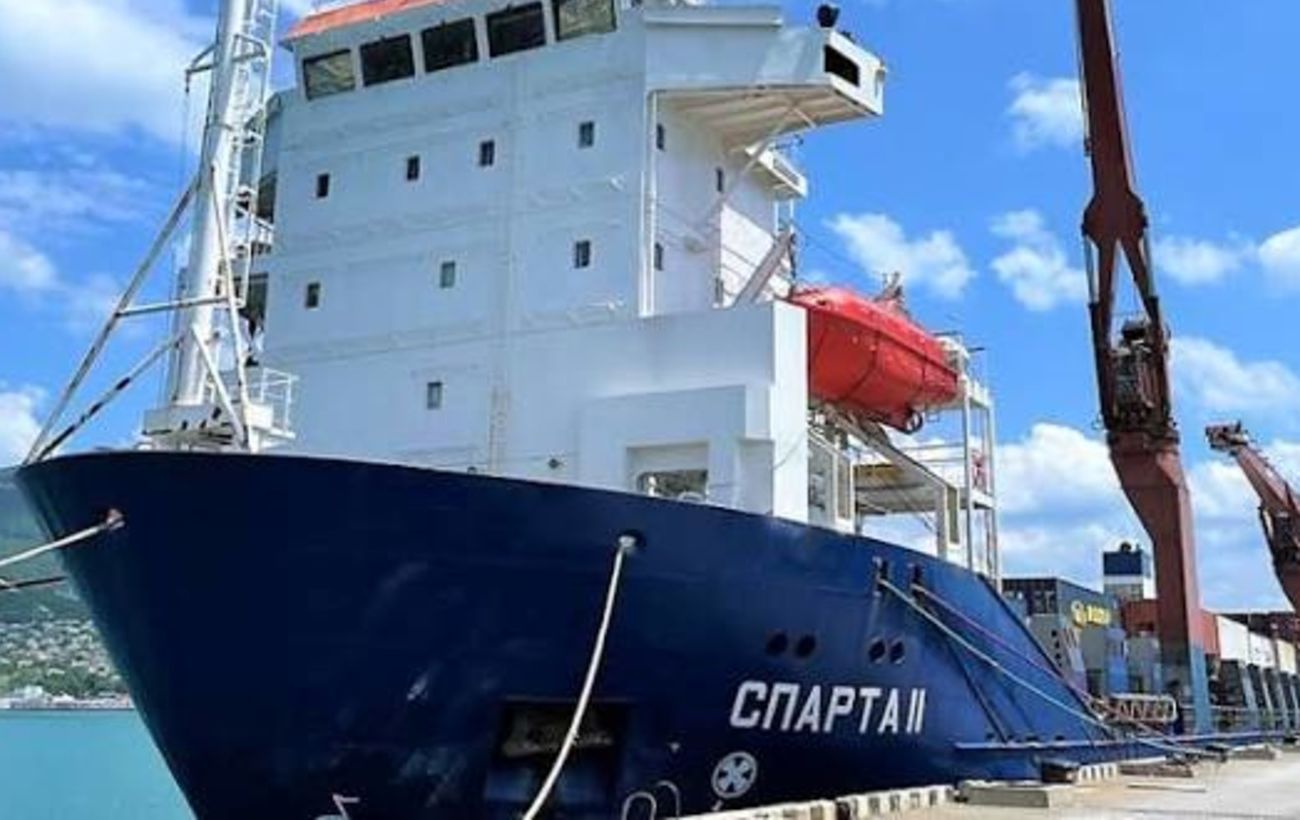
Russian Vessel Sparta II Continues to Burn in Gulf of Finland After Drone Attack
Firefighting operations are ongoing in Finnish territorial waters aboard the Russian cargo vessel Sparta II following a drone strike.
 🏛️Politics
Inter-agency standoff: NABU initiates case against SBU special forces over seized funds
The National Anti-Corruption Bureau has initiated criminal proceedings against SBU Alpha special forces officers over the seizure of $25,000 during last year's searches, …
 🎓Education
Strike on Dymer in Kyiv Region: 14 Missing After Nighttime Drone Attack
A nighttime drone strike on the town of Dymer in the Kyiv region caused the partial collapse of an apartment building and damaged local infrastructure. Rescue operations …
 🎓Education
Theatre Tours Abroad: Challenges and Emotions of Ukrainian Audiences in Europe
Producer Serhii Chudaiev shared insights on organizing Ukrainian theatre tours in Europe, logistical hurdles, and audience reactions.
 🛡️Security
The Art of Mending a Broken World: Why Ukraine's Future Relies on Everyday Repairs
Ukraine's recovery phase requires shifting focus from grand master plans to the persistent, often invisible labor of repairing damaged infrastructure and adapting to real…
 🛡️Security
Zhytomyr region energy infrastructure targeted four times in a day
Russian forces launched four drone strikes against energy facilities in the Zhytomyr region over the past 24 hours.