The Art of Mending a Broken World: Why Ukraine's Future Relies on Everyday Repairs
Ukraine's recovery phase requires shifting focus from grand master plans to the persistent, often invisible labor of repairing damaged infrastructure and adapting to realities.
 🛡️Security
Photo: Ukrainska Pravda
Key points
- Maintenance and repair work have become the fundamental drivers of societal resilience.
- The Kakhovka Reservoir case illustrates the tension between restoring old systems and preserving new ecosystems.
- Society must move from crisis management to routine preventive care.
The fifth wartime winter forces society to reevaluate the mechanics of recovery, where the spotlight shifts from large-scale construction to the daily labor of maintenance workers. Utility crews working by damaged substations and ordinary citizens bringing them hot tea form the bedrock of national survival. Such labor usually remains unnoticed, yet it is precisely what keeps the fragile order intact across war-torn cities and towns.
The Philosophy of a Broken World and Invisible Labor
Technology scholars urge the adoption of a "broken-world thinking" framework, replacing the illusion of endless progress with an acute awareness of erosion and decay. The world holds together not through grandiose projects, but through the efforts of those who patch up what constantly falls apart. Disruptions and breakdowns become the primary mechanism through which societies learn to reproduce themselves via constant adaptation and improvisation.
At the same time, this approach demands a sober view of reality without romanticizing the heavy labor involved. National rebuilding cannot rely on nostalgia for mid-century blueprints or attempts to rewind time to pre-2022 conditions. A prime example is the drained Kakhovka Reservoir, where a vast forest has naturally grown over the former lakebed, creating a complex environmental and economic dilemma.
Recovery Challenges for the State and Communities
The ongoing debate over whether to reconstruct the reservoir or preserve the newly formed floodplain ecosystem highlights the tough choices facing Ukraine. Simple solutions do not exist, as the country must simultaneously supply water to southern regions and protect emerging natural habitats. Similar patterns appear elsewhere, where institutions often react to systemic issues only after public exposure rather than through preventive routine maintenance.
For residents of Zolochiv and other local communities, these dynamics signal a shift toward a new culture of stewardship where infrastructure reliability depends on local cooperation and attention to detail. Everyday mending is no longer merely a technical necessity but a vital social standard that will define the quality of life in post-war Ukraine for years to come.
Source Ukrainska Pravda — pravda.com.ua/columns/2026/11/22/8063089/ ↗
Read next
 👥Society
Serviceman Serhii Stotskyi, missing for over two years, confirmed dead in the war
Staff Sergeant Serhii Stotskyi was killed in Donetsk Oblast in June 2024, but his death was only officially confirmed after more than two and a half years.
 🏙️City
Power supply in Zolochiv: what to expect from blackout schedules on November 23
On Monday, November 23, scheduled power supply restrictions will be implemented across Ukraine due to the consequences of enemy attacks on the energy system.
 🚌Transport
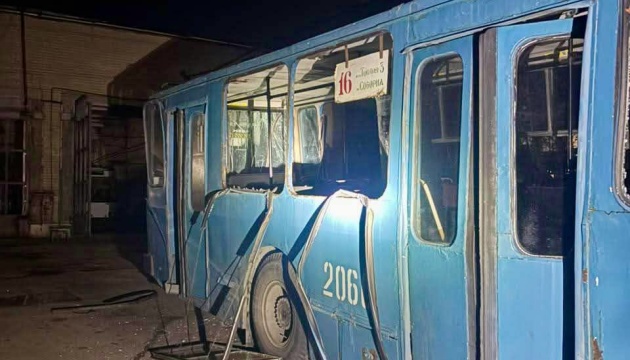
Trolleys Destroyed and Heating Pipeline Damaged in Dnipro Attack
An evening Russian strike on Dnipro heavily damaged a public transport depot, destroying multiple trolleybuses and disrupting heating supplies.
 ⚽Sport
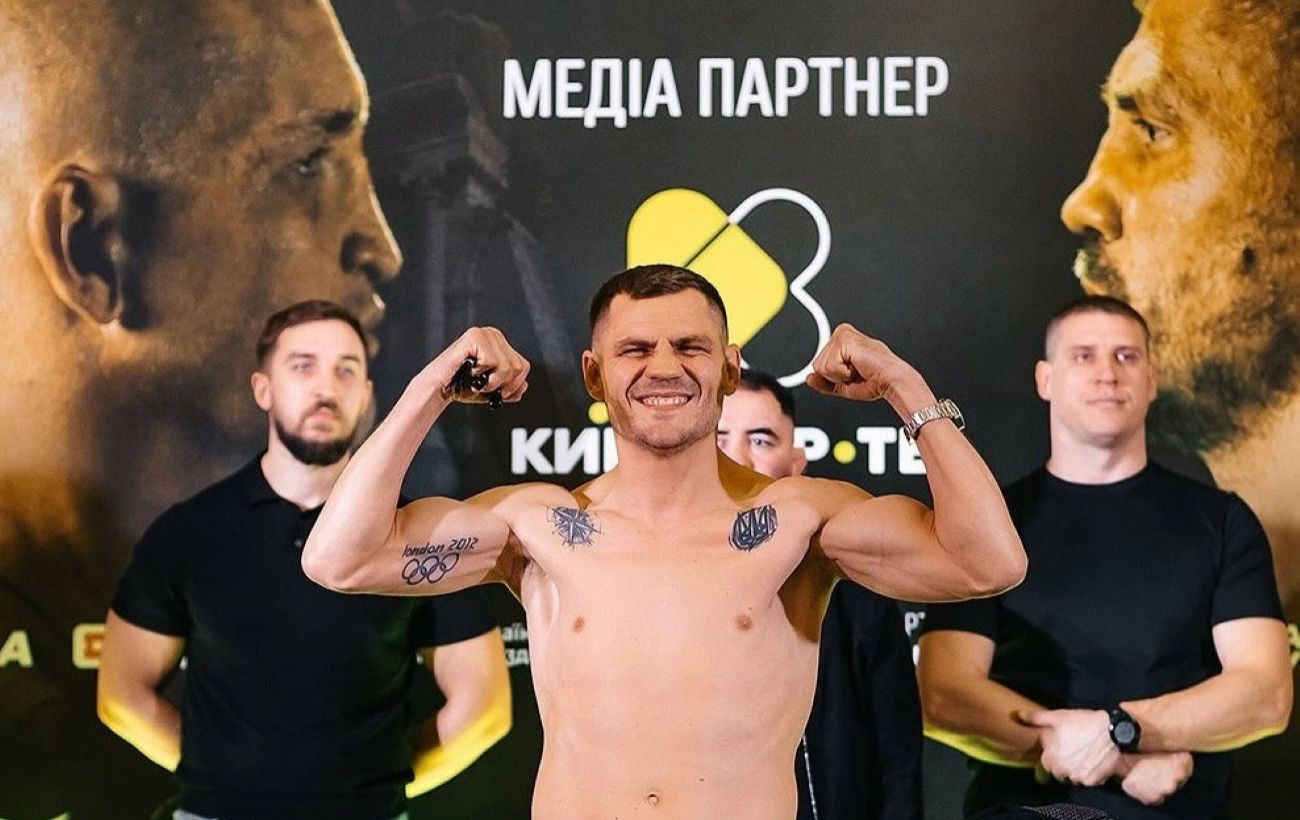
Denys Berinchyk secures victory against Bovar Khanakov
Former world champion Denys Berinchyk made a successful return to the ring, defeating Bovar Khanakov at the 'Battle of Styles' tournament.
 🚨Events
Fatal Mountain Crossing: Ukrainian Citizen Found Dead in Romania After Illegal Border Crossing
During a search and rescue operation in the snowy mountains of Romania, rescuers found the body of a Ukrainian citizen. Two other men were successfully rescued by local e…
 🎭Culture & Sport
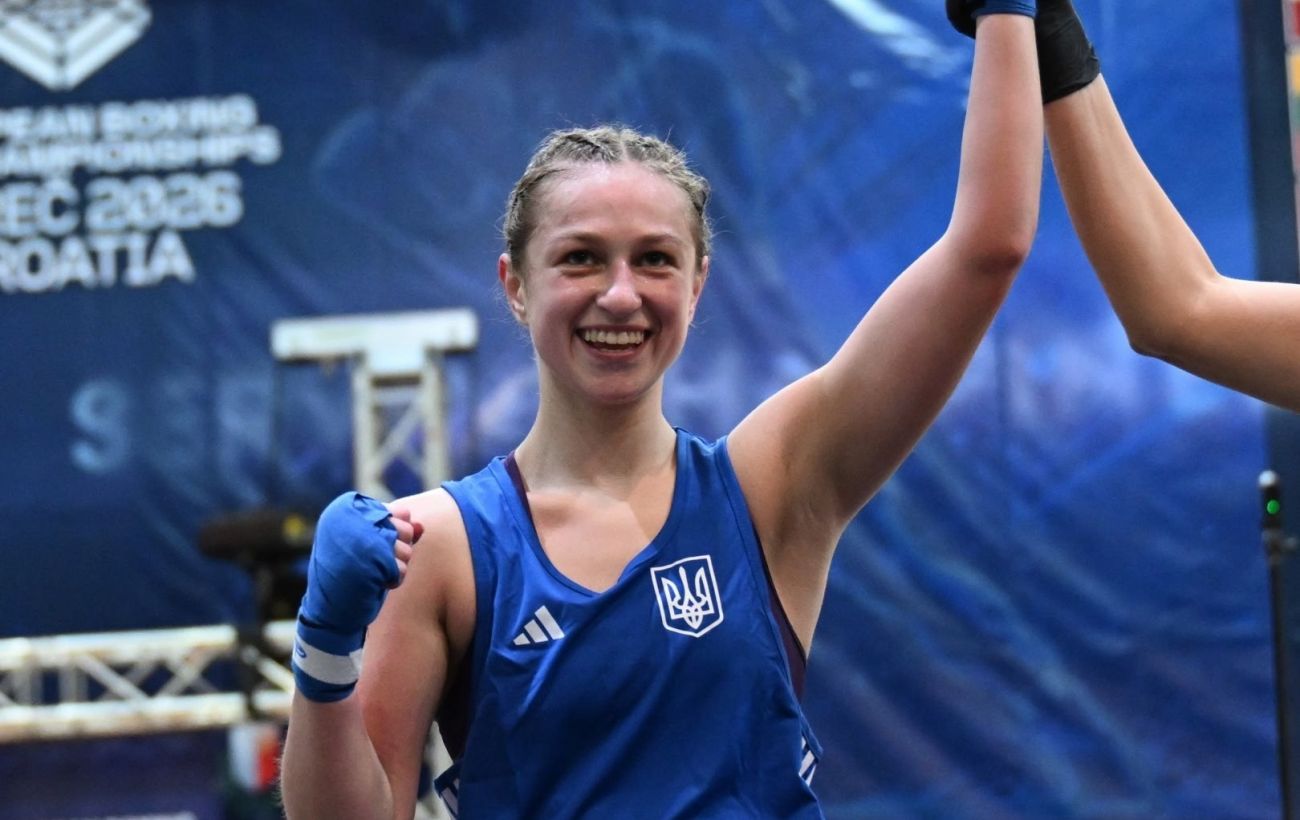
Ukrainian boxer Sofiia Turbinina wins bronze at the U23 European Championship
Ukrainian athlete Sofiia Turbinina secured a bronze medal at the U23 European Boxing Championships held in Poreč, Croatia.